When the first crisp chill of autumn hits, humans aren't the only ones looking for a warm place to nest. As outdoor temperatures drop, pests don't simply disappear—they start looking for heat.
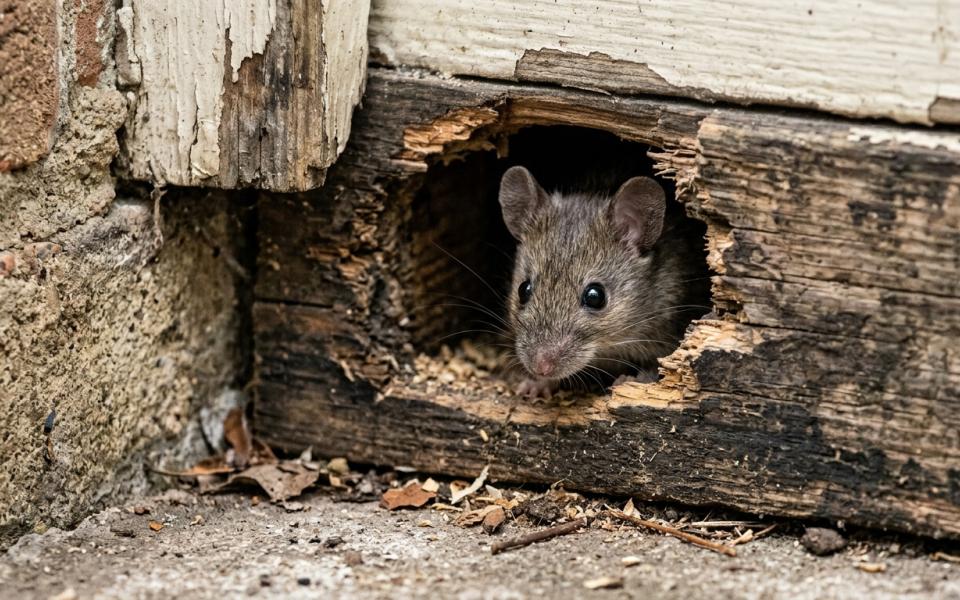
Warm air escaping from your home creates a "heat trail" that acts like a flashing neon sign for rodents, insects, and wildlife. A house mouse can squeeze through an opening the size of a dime, while a rat only needs a gap as big as a quarter. Once inside, they don't just make themselves at home; they chew through electrical wiring, ruin insulation, contaminate air quality, and cause costly structural damage.
If you want a stress-free winter, protecting your home’s outer envelope before the freezing weather arrives is non-negotiable.
Know the Invaders: Who Is Trying to Get In?
Pests attack your home from two primary directions: from the sky down and from the ground up. Understanding which pests target each area helps you choose the right defense.
1. The High Climbers (Attic & Roofline)
Warm air naturally rises and escapes through your roofline, drawing pests up gutters, trees, and siding.
-
Squirrels & Raccoons: Strong enough to tear through rotten soffits, loose fascia, and roof vents to build cozy winter dens.
-
Mice & Roof Rats: Expert climbers that scale brick and siding to enter uncapped ridge vents and roof joins.
-
Bats & Birds: Squeeze into tiny gaps around chimney flashing or gable vents, leaving behind health hazards and blocked ventilation.
2. The Diggers & Burrowers (Ground Level & Foundation)
Pests low to the ground seek shelter along the perimeter of your house, looking for cool, damp, hidden access points.
-
Norway Rats: Notorious diggers that tunnel straight down alongside concrete slabs to break into dirt crawlspaces.
-
Mice & Voles: Follow landscaping lines to slip under siding edges and unsealed access hatches.
-
Skunks & Opossums: Looking for open voids under low decks, porches, and crawlspaces for winter hibernation.
-
Siding Invaders (Ants, Stink Bugs, & Termites): Creep into weep holes and loose siding seams, nesting inside wall cavities.
The Dynamic Duo: Attic Armor & The Rat Wall
To keep these critters out, standard caulk and foam won't cut it (rodents chew right through expanding foam!). You need heavy-duty physical barriers.
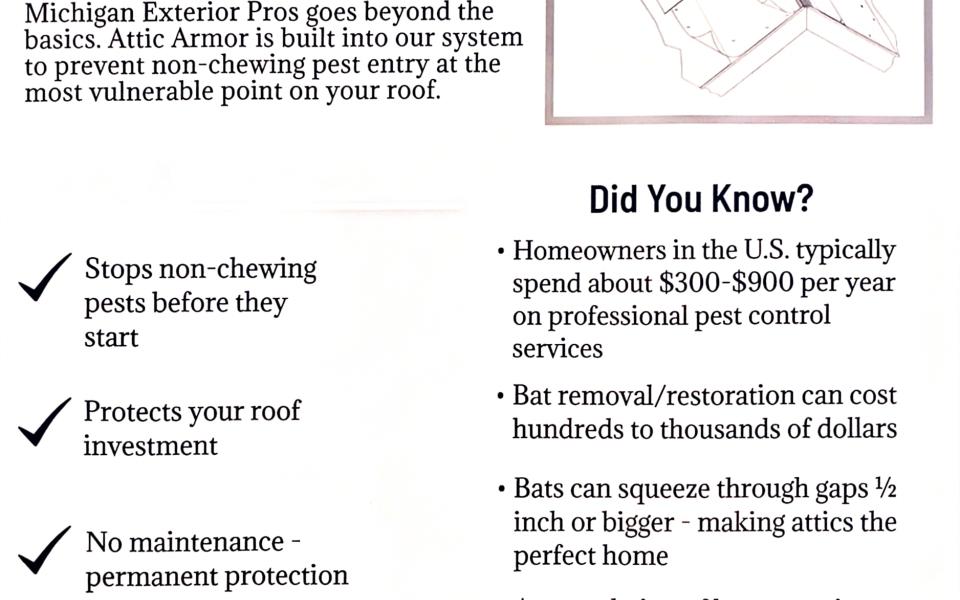
1. Attic Armor (Attic Exclusion & Thermal Sealing)
-
What it is: A combination of heavy-gauge galvanized steel mesh or solid metal flashing installed over soffits, ridge vents, gable openings, and roof edges, paired with air-sealing thermal leaks.
-
Why it works: It seals off every upper-level entry point with chew-proof materials, locking out squirrels, raccoons, and climbing rodents while keeping warm air where it belongs—inside your living space.
2. The "Rat Wall" (Ground-Level Pest Barrier)
-
What it is: A subterranean physical barrier—typically a concrete ledge or heavy galvanized wire mesh installed below grade around the foundation, crawlspace perimeter, or base of the siding.
-
Why it works: When burrowing pests like Norway rats try to dig down to get under your home, they hit an impenetrable wall of metal or concrete and are forced to turn away.
The Golden Opportunity: Siding & Roof Replacement
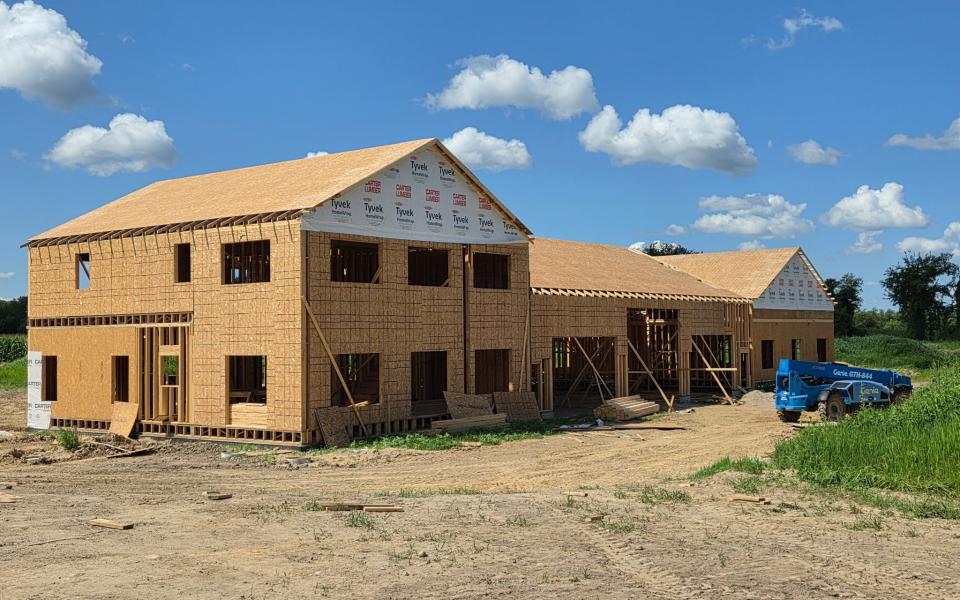
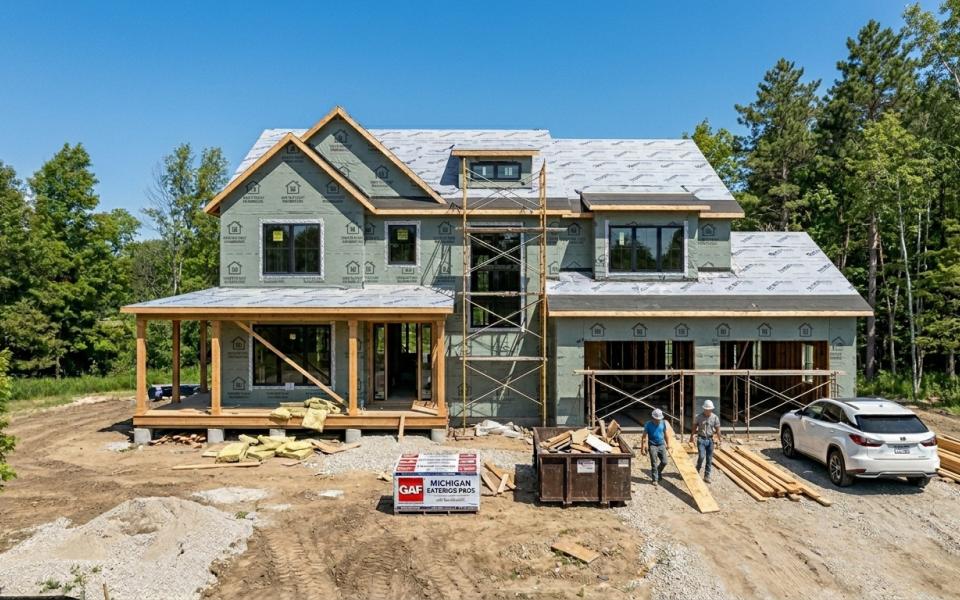
If you are already planning to install a new roof or new siding, you have hit the home protection jackpot. This is the absolute best time to install pest exclusion systems.
When contractors strip away your old roofing or siding, your home’s bare frame is exposed. Installing steel mesh, rat walls, and specialized flashing at this exact moment:
-
Saves thousands in labor compared to retrofitting after the job is finished.
-
Keeps materials invisible by hiding the heavy-duty protective mesh cleanly beneath starter strips, fascia boards, and house wrap.
-
Fixes hidden damage by exposing existing wood rot or pest gaps before new materials seal them in forever.
Pre-Winter Action Checklist
Before the cold sets in, take these three steps:
-
Walk the Perimeter: Inspect ground-level gaps around your foundation, air conditioner lines, and hose bibs for sign of digging or gaps.
-
Check Your Roofline: Look for hanging soffits, loose fascia, or open ridge caps that offer easy access to climbing wildlife.
-
Talk to Your Contractor: If you’re getting a quote for new siding or a roof, explicitly ask them to add attic pest exclusion and a ground-level rat barrier to the project scope.
Taking these steps before the first snow hits will save you thousands in pest control, insulation repair, and restoration costs—keeping your home warm, quiet, and pest-free all winter long!